

.
Local psychiatric care for adults, with a primary focus on women navigating midlife, reproductive, and hormonal transitions.
Serving Chittenden, Franklin, Lamoille, Washington, Orleans, Essex counties and throughout the state of Vermont. In my Williston office or by telehealth.
Also licensed in Utah for telehealth only.
Areas of focus:
Perimenopause and menopause mood worsening
Pregnancy and postpartum mental health
Anxiety, depression, and mood spectrum disorders
Do you recognize any of these?
You want a coherent explanation for your experience
You need to know if your feelings are “normal”, situational, hormonal, or something else
You are afraid you are “losing it” and you want to be taken seriously
You are looking for guidance without having to argue, research, or advocate constantly
You want a clinician who knows when something matters-and when it doesn’t
How I work:
Psychiatry at OptiMind combines structured medical evaluation with careful attunement to patterns that don’t always appear on a checklist.
Visits may include:
Comprehensive psychiatric assessment
Medication management
Individualized mind–body and lifestyle-informed strategies that fit you
Selective use of labs, supplements, or genetic testing
Not every tool is used for every person. Decisions are made using both evidence and clinical judgment, with ongoing reassessment rather than fixed protocols.
Next steps:
I offer a complimentary 15-minute consultation to determine whether working together feels like a good fit.
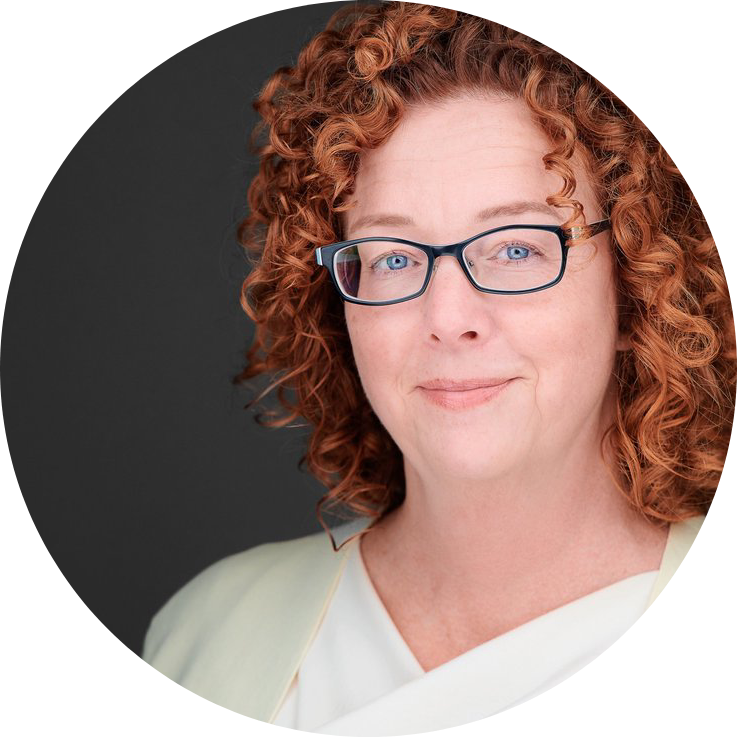
About Lisa Hardy, PMHNP
Hello and Welcome!
I'm not a corporate telehealth platform, I'm a real specific person living and working in Vermont for the past 23 years.
As a board-certified Nurse-Midwife and licensed and certified Psychiatric Mental Health Nurse Practitioner, my background and ongoing study allow me to consider mental health, hormones, and life transitions. I bring an understanding of Vermont, scientific training, and experience-based insight to my work, recognizing that meaningful care often requires listening for what doesn’t fit neatly into diagnostic categories.
I created OptiMind, a psychiatric practice located in Williston, Vermont, to offer care that is grounded, human, and realistic—care that respects complexity rather than rushing to conclusions.